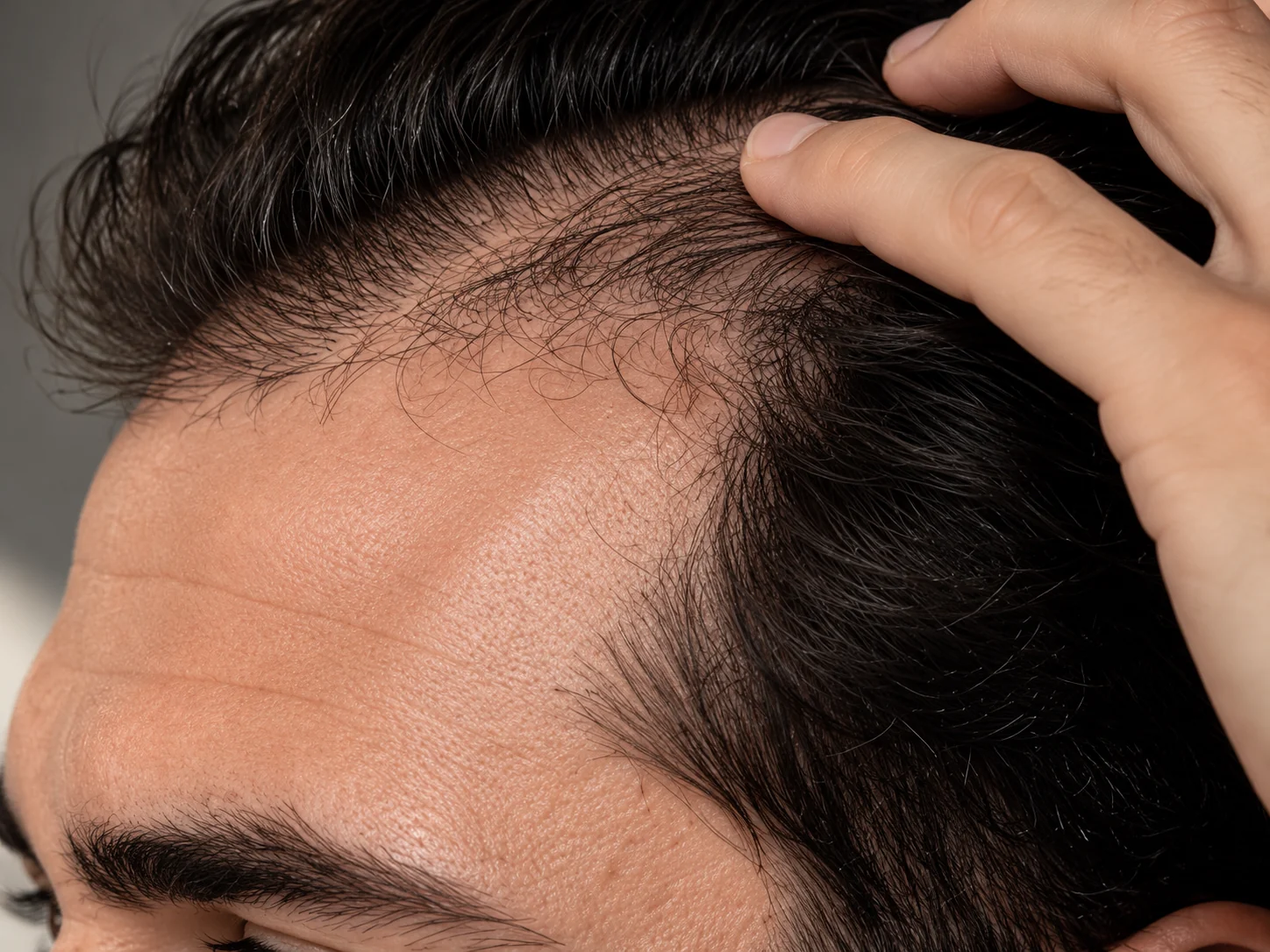
A FAMILIAR FEELING
At first, you notice your hairline receding.
Your familiar hairstyle starts to look different.
 AESTHETIC MEDICINE

HAIR TRANSPLANT · CASENOVA
Hair restoration with a natural look in mind.
Your proportions. Your personal plan.
FUE / DHI at CaseNova, Tashkent.
Your familiar hairstyle starts to look different.
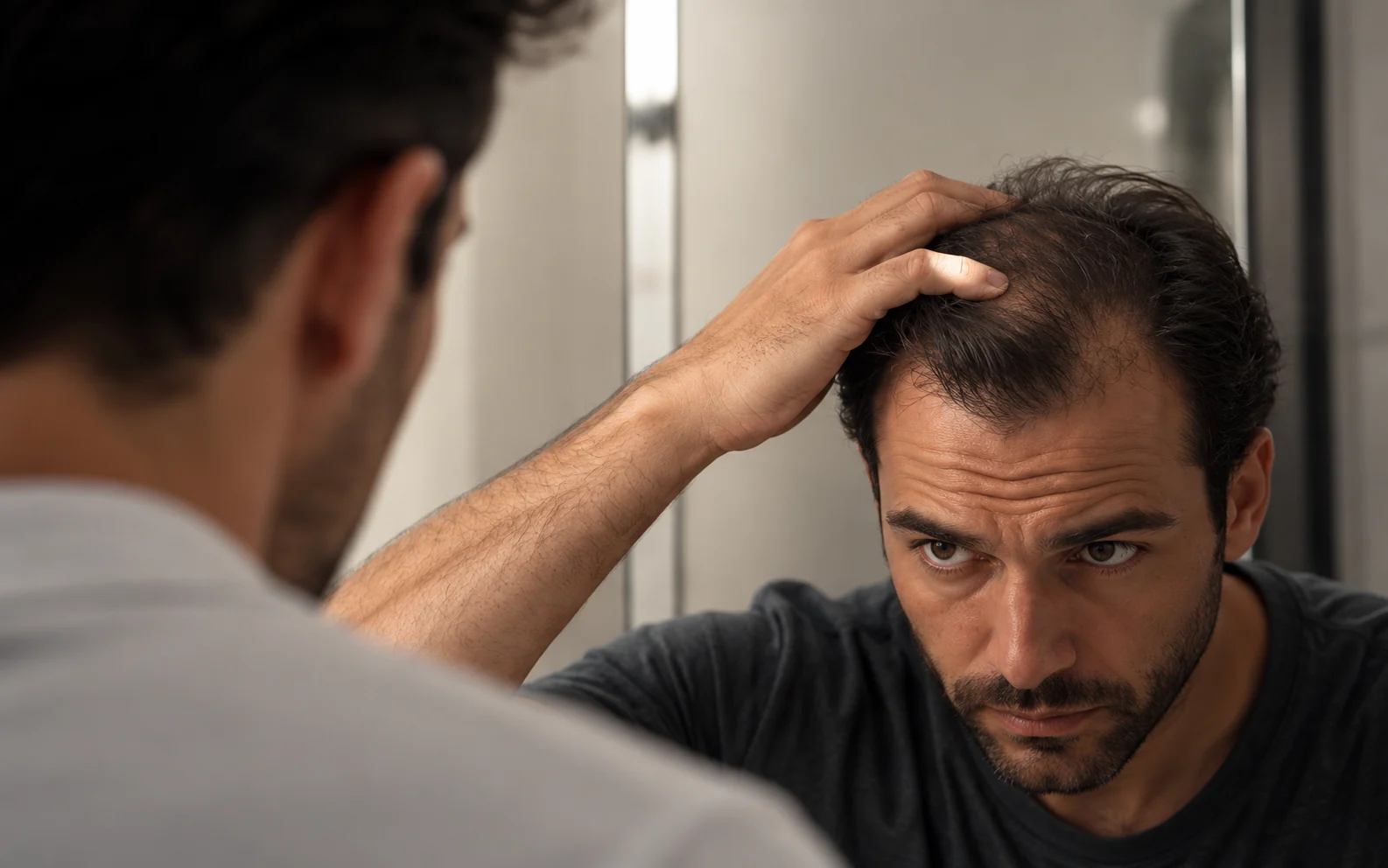
You adjust your hair. And look again.
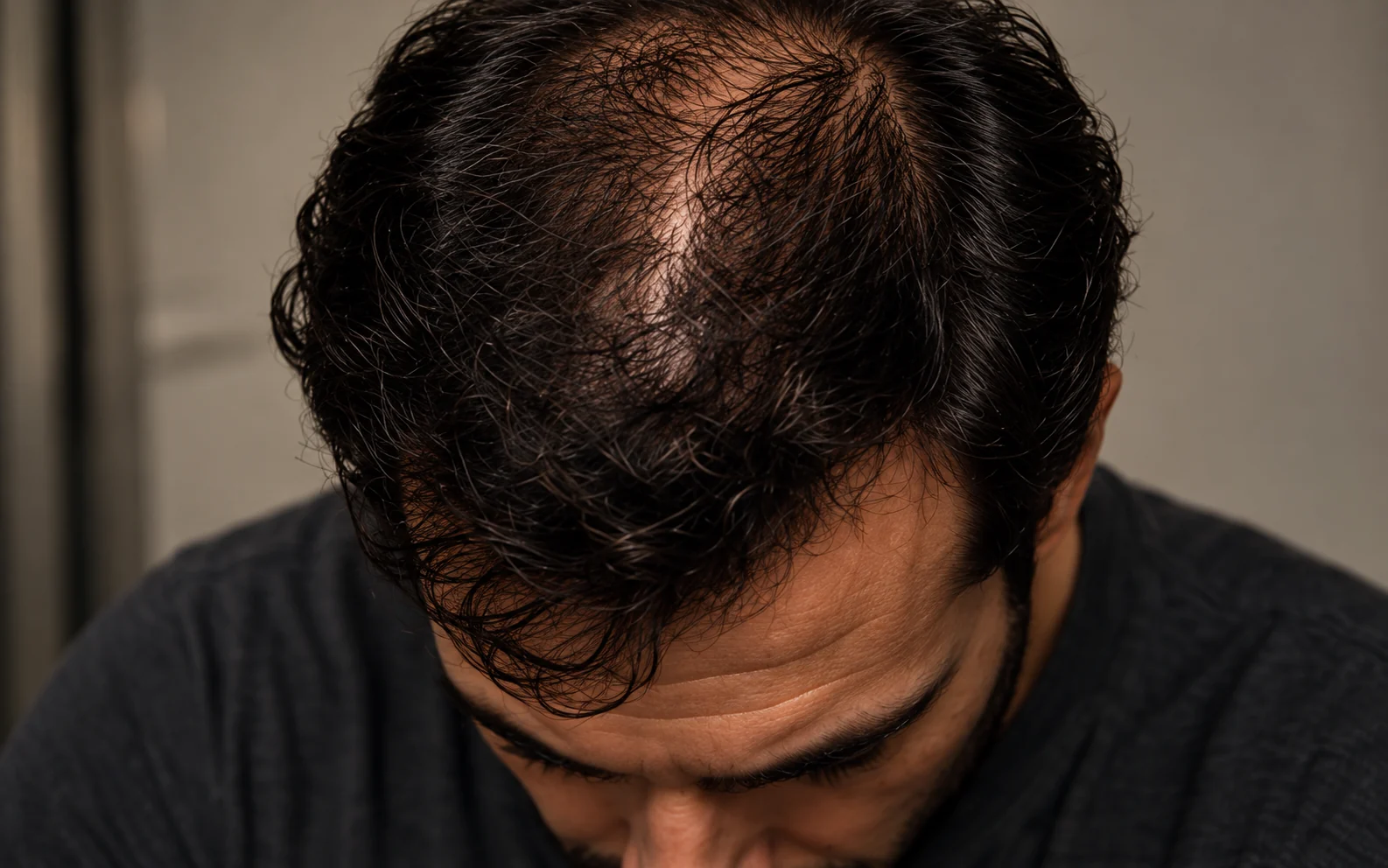
Your crown in a photo. Your parting in bright light.
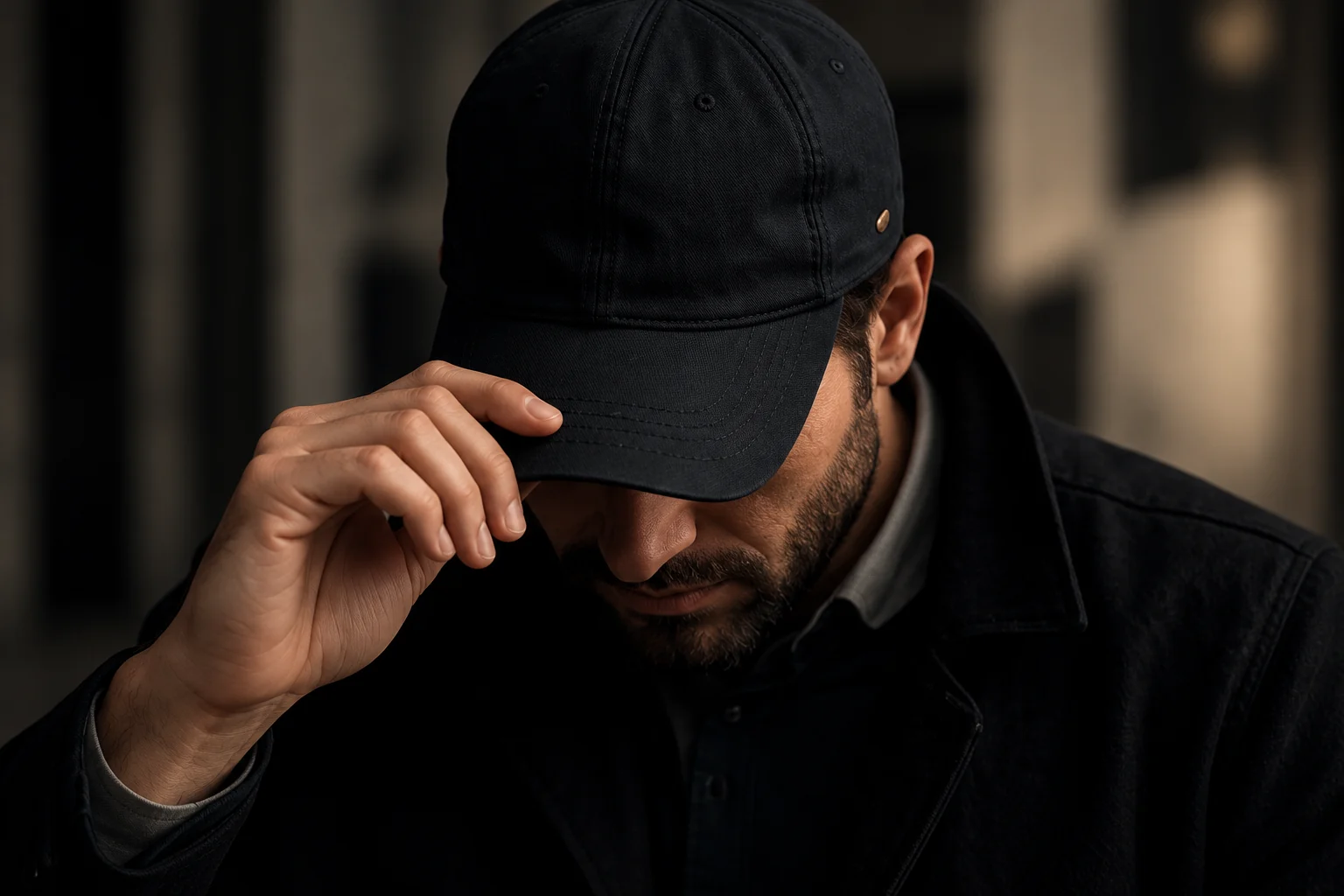
Not for the look. It just feels more comfortable.

If that feels familiar, a conversation is a place to start.

The aim is a hairline that complements your features and looks natural.
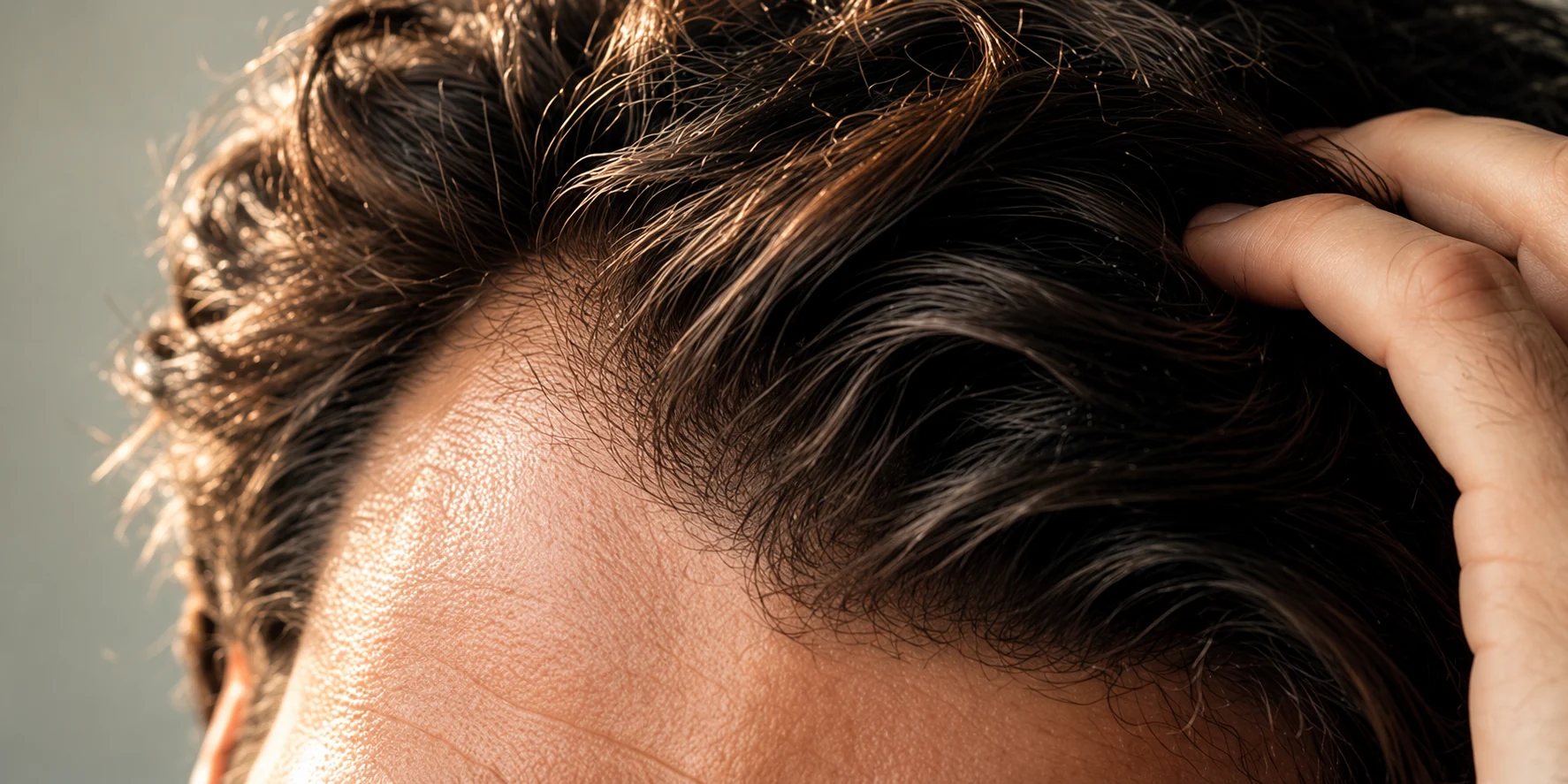
The soft transition at the temples. The direction of growth. A shape that suits you.
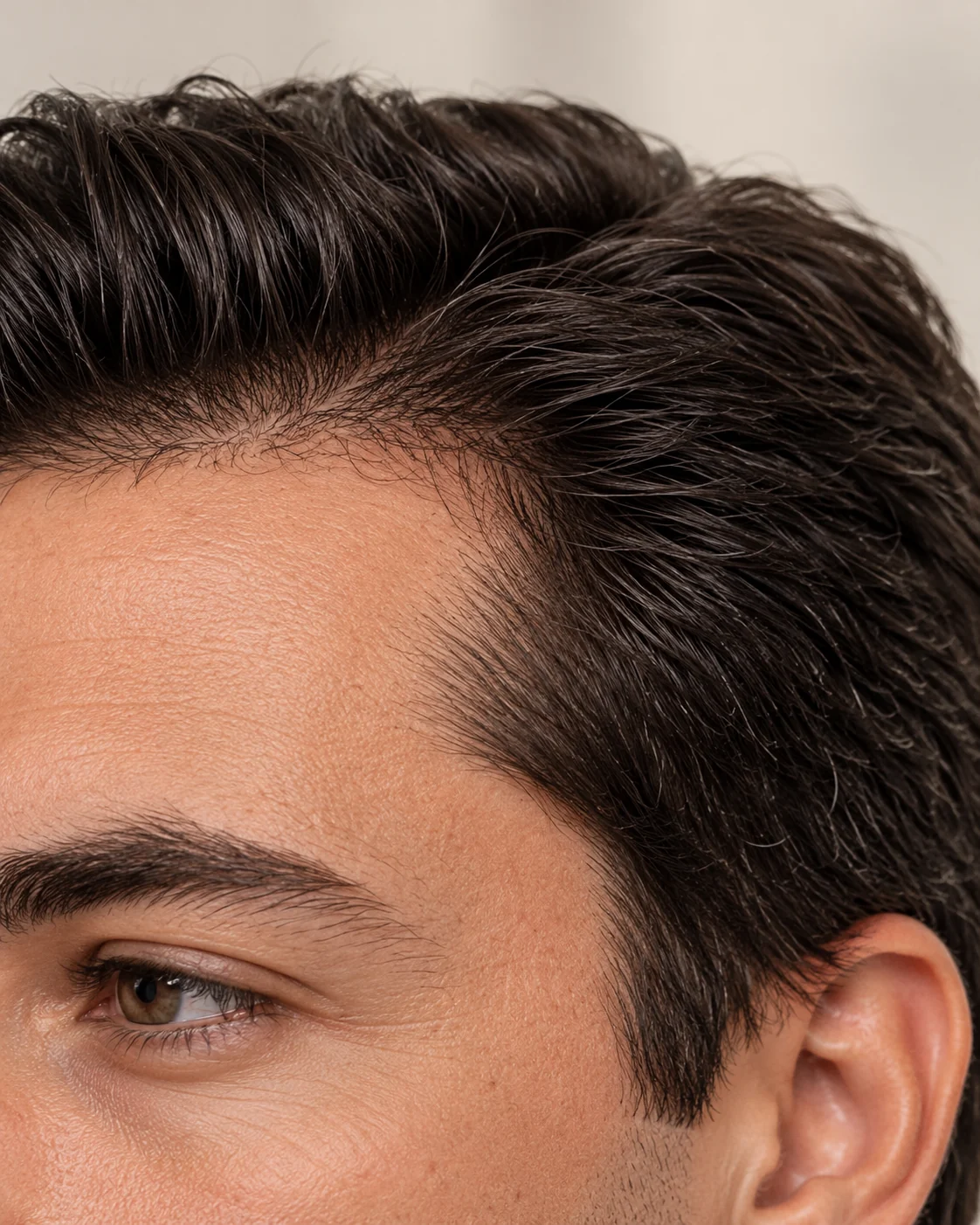
Every starting point is different. Shape and restoration options are discussed individually.
You do not have to choose a method on your own.
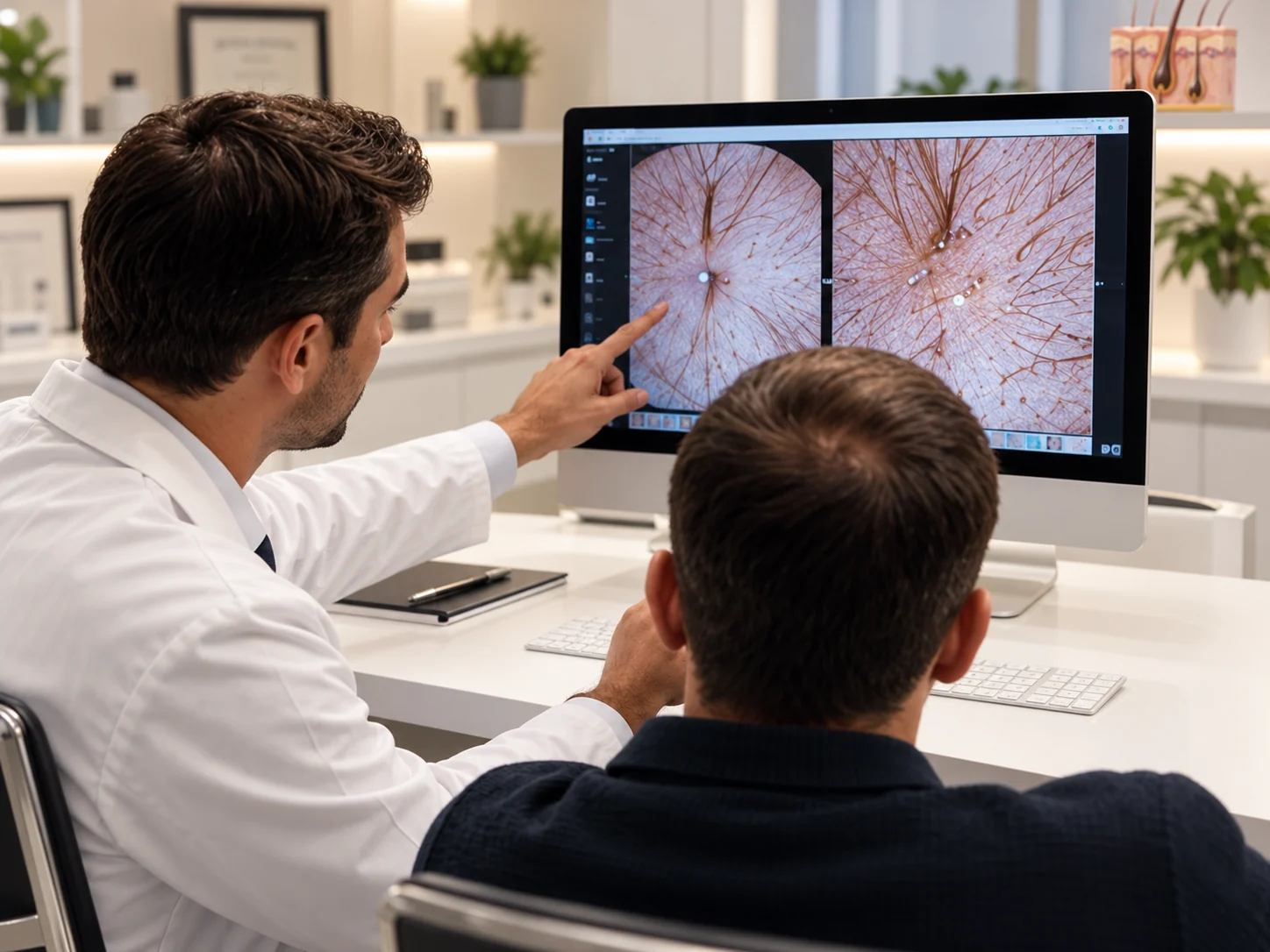
Your specialist listens to your goals, assesses your hair and scalp, and discusses the options and limitations.
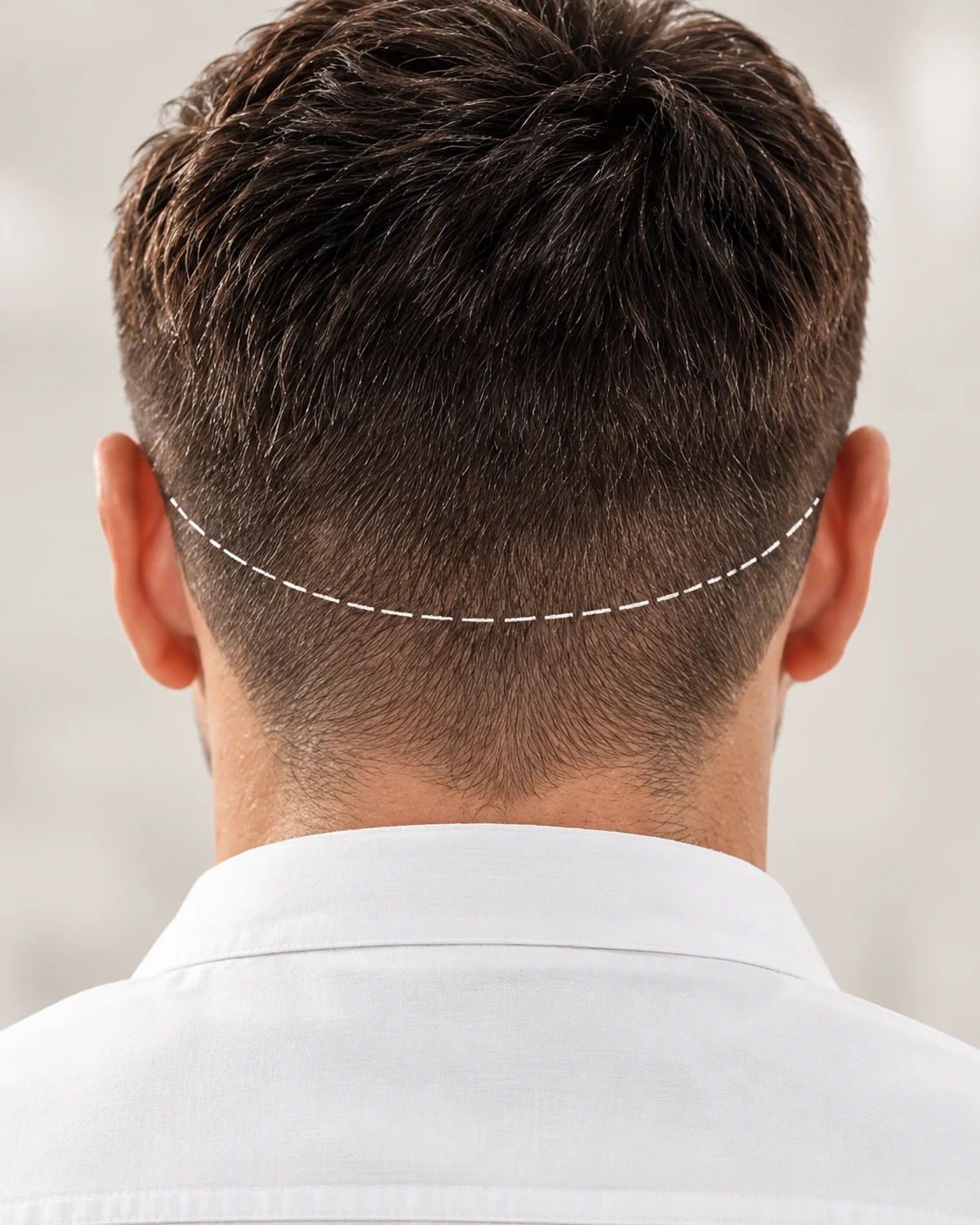
The donor area is a limited resource. Hair quality, density and a suitable extraction volume all matter.
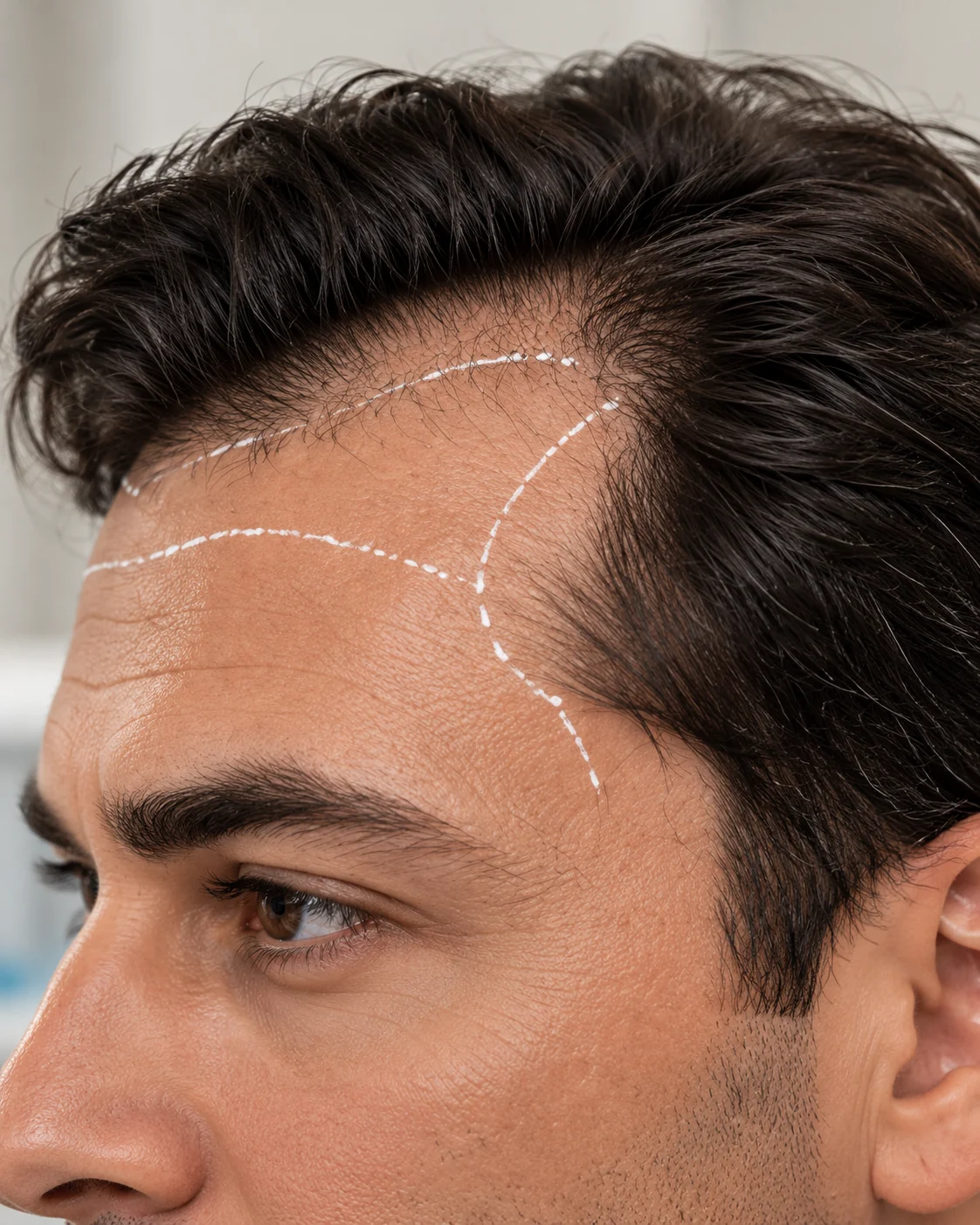
Height, shape and the temples. The plan considers your existing hair and potential future changes.
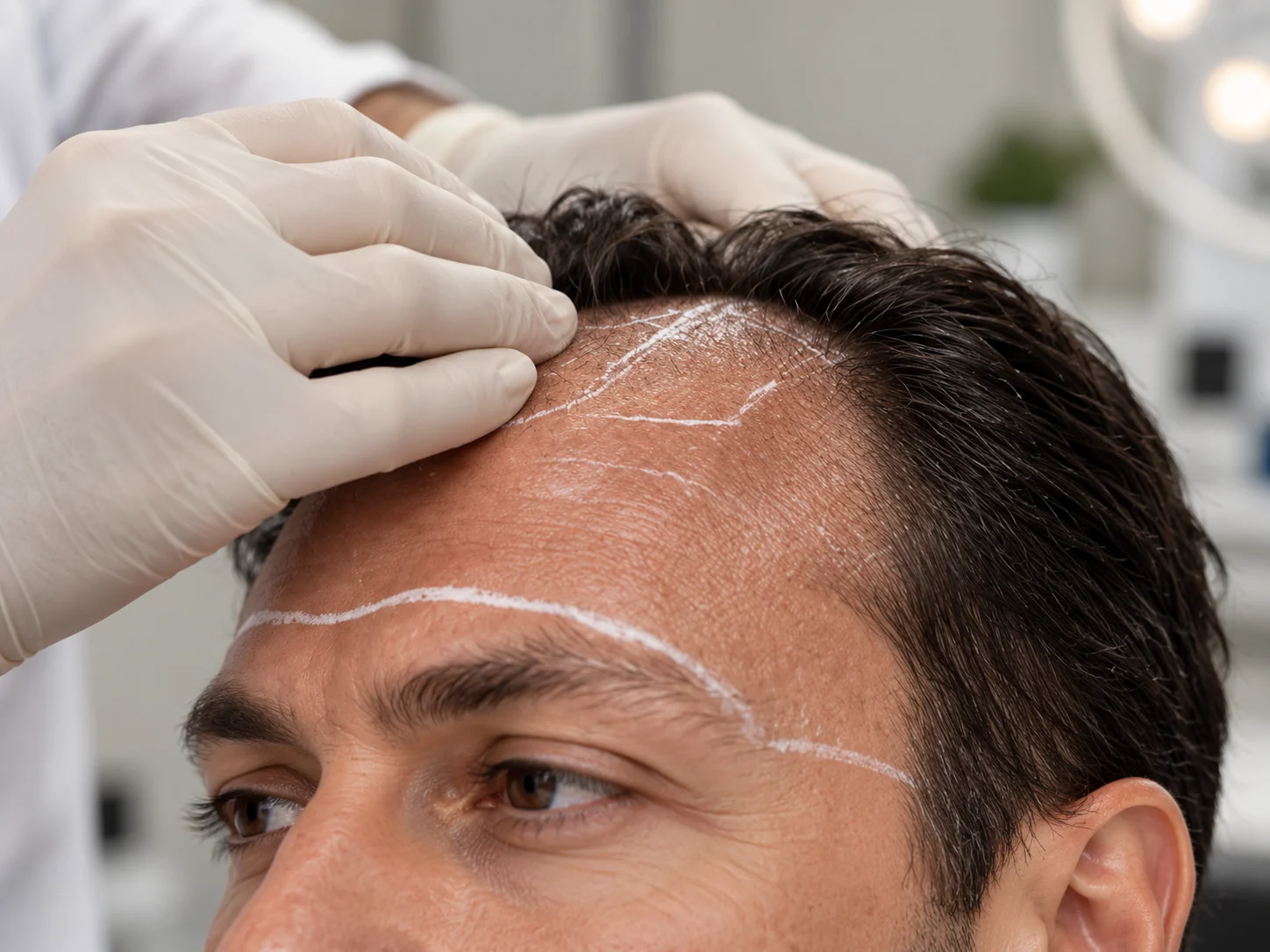
Agree on the treatment areas, preparation and aftercare with your doctor. Each next step should be clear.
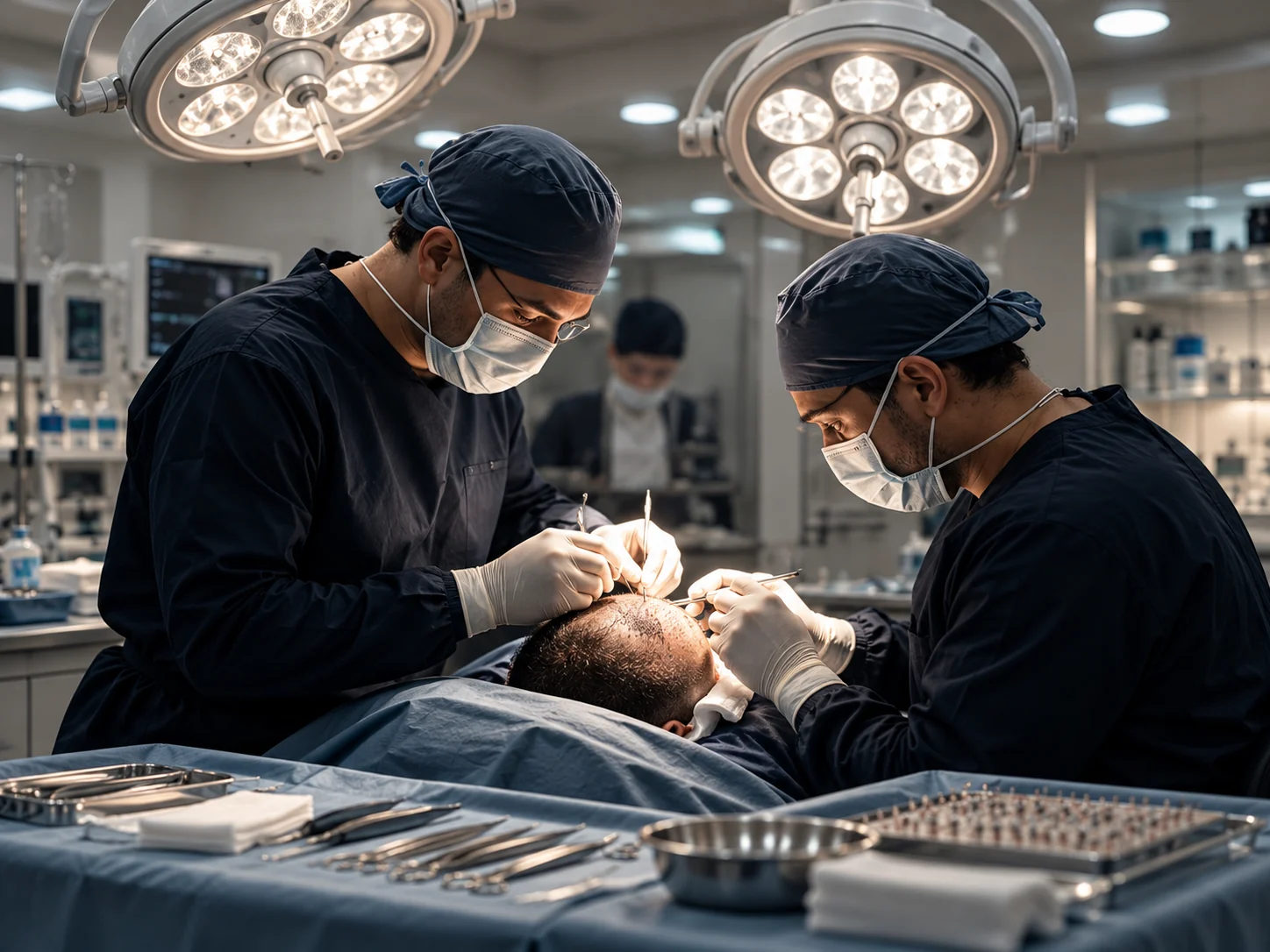
At CaseNova, FUE / DHI is planned as one continuous process, from assessment to follow-up.
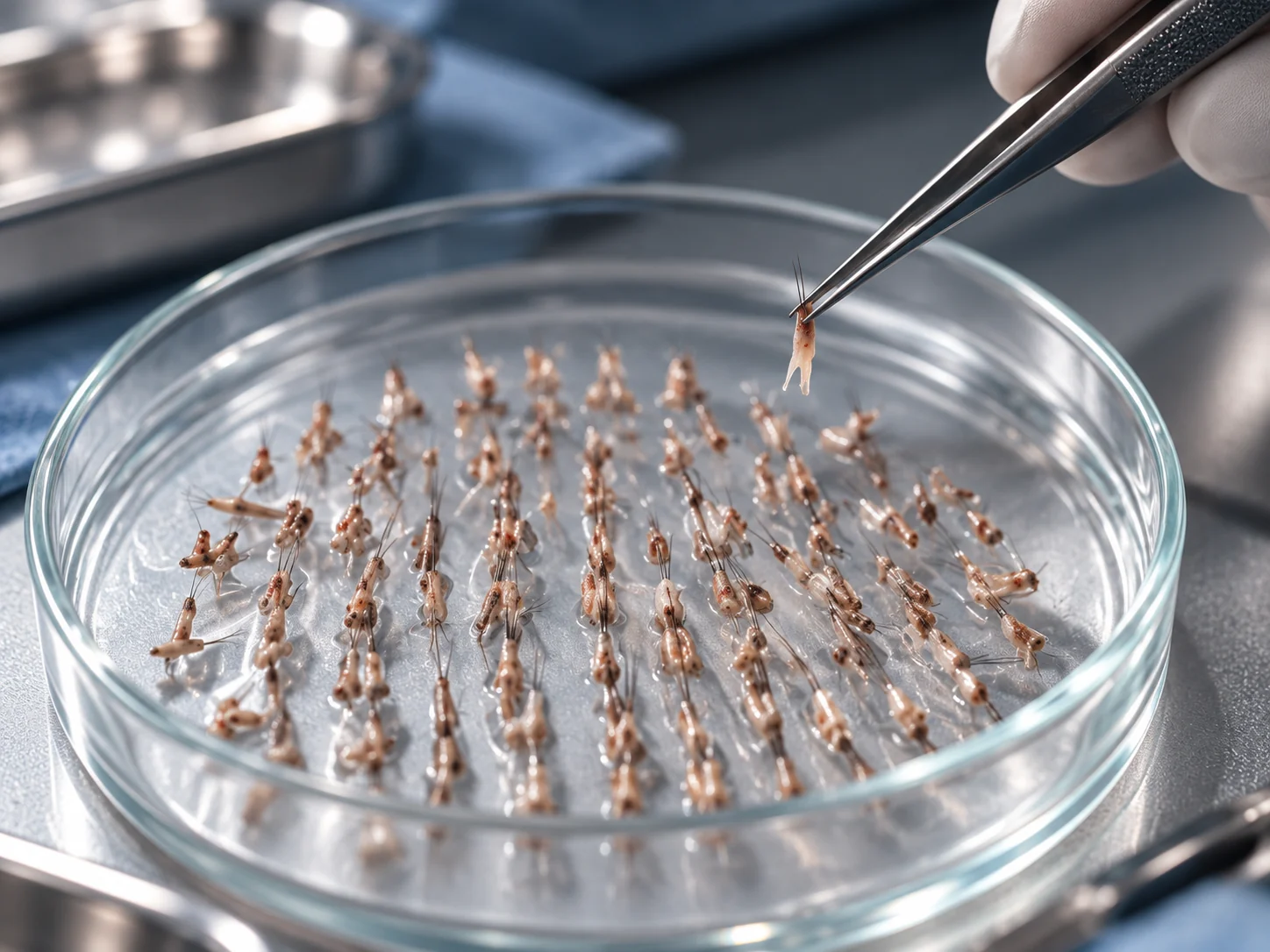
FUE involves extracting individual grafts from the donor area. Their distribution follows a plan prepared in advance.
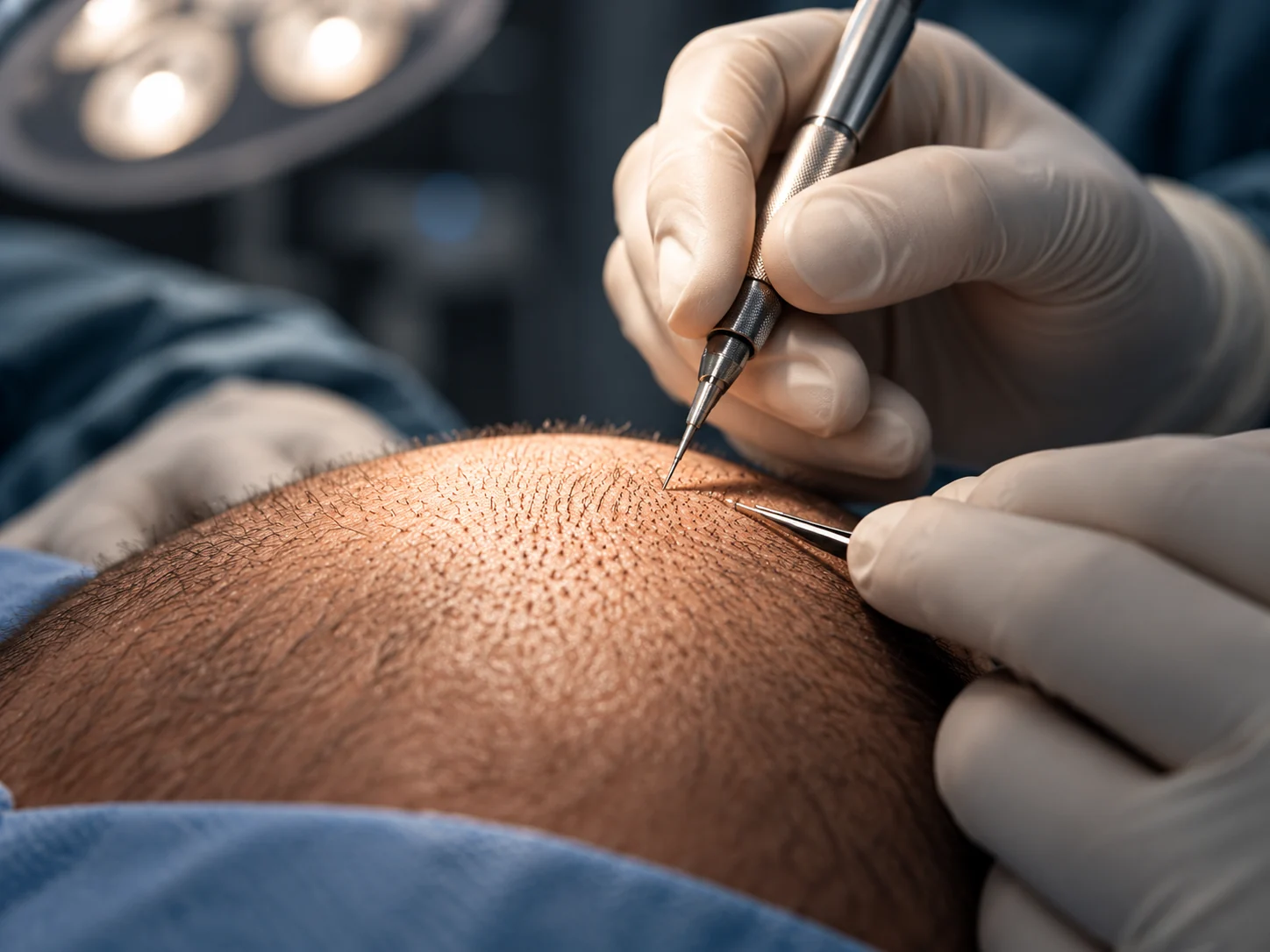
DHI is an approach to placing grafts with an implantation tool. The angle, direction and placement follow the natural pattern of hair growth.
Recovery is part of the plan. You receive guidance on care, restrictions and follow-up appointments.
Growth is assessed over time. Your doctor will discuss when you can return to your usual activities.
Hair and scalp assessmentHair transplant pricing in Tashkent
from 7,000 UZS / graft
FUE / DHI · VAT included
The scope and total cost are confirmed after assessing the donor area and agreeing on a plan.
About your options, recovery
and what matters to you.
A consultation is needed. Your doctor assesses your pattern of hair loss, scalp health, donor area and expectations. A transplant is not suitable for every situation.
FUE describes the extraction of individual grafts. DHI is an approach to implanting them with a specialised tool. These are different stages that can be combined; your specialist chooses the plan.
Usually from the donor area at the back and sides of the scalp. Your doctor assesses its quality and how many grafts can be taken.
That is the aim of individually planning the shape, density and direction of growth. What is possible depends on your starting point; the same result cannot be promised to everyone.
Changes develop gradually. Temporary changes in the hair may occur after the initial recovery, and growth is then assessed over time. Your doctor will discuss individual expectations and a follow-up schedule.
FUE can leave small, dot-like scars. Their visibility depends on your skin, the extent of the procedure and hair length. A promise of no marks at all would be inaccurate.
This depends on the treatment area and the approach chosen. How much shaving is needed and the preparation options are discussed before the procedure.
A transplant may be considered for women in certain situations. The cause of thinning must first be identified and the donor area assessed. The decision is individual.
Gentle care, following restrictions and medical follow-up are needed. Before treatment, discuss possible reactions, risks and whom to contact with questions during recovery.
CaseNova’s listed price for FUE / DHI is from 7,000 UZS per graft, including VAT. The total is confirmed after assessing your needs and the scope of treatment. At your consultation, ask about the full cost and what the plan includes: preparation, the procedure and follow-up care.

Think about where you’re going. Your plans for the evening. Your life.

When looking after yourself feels like a natural part of the day again.

More attention for the things you enjoy.

And feel more at ease with the way you look.

A specialist will assess your situation, donor area, and the possibilities and limitations of a transplant.
The images illustrate a patient’s journey;
they are not clinical before-and-after photographs.